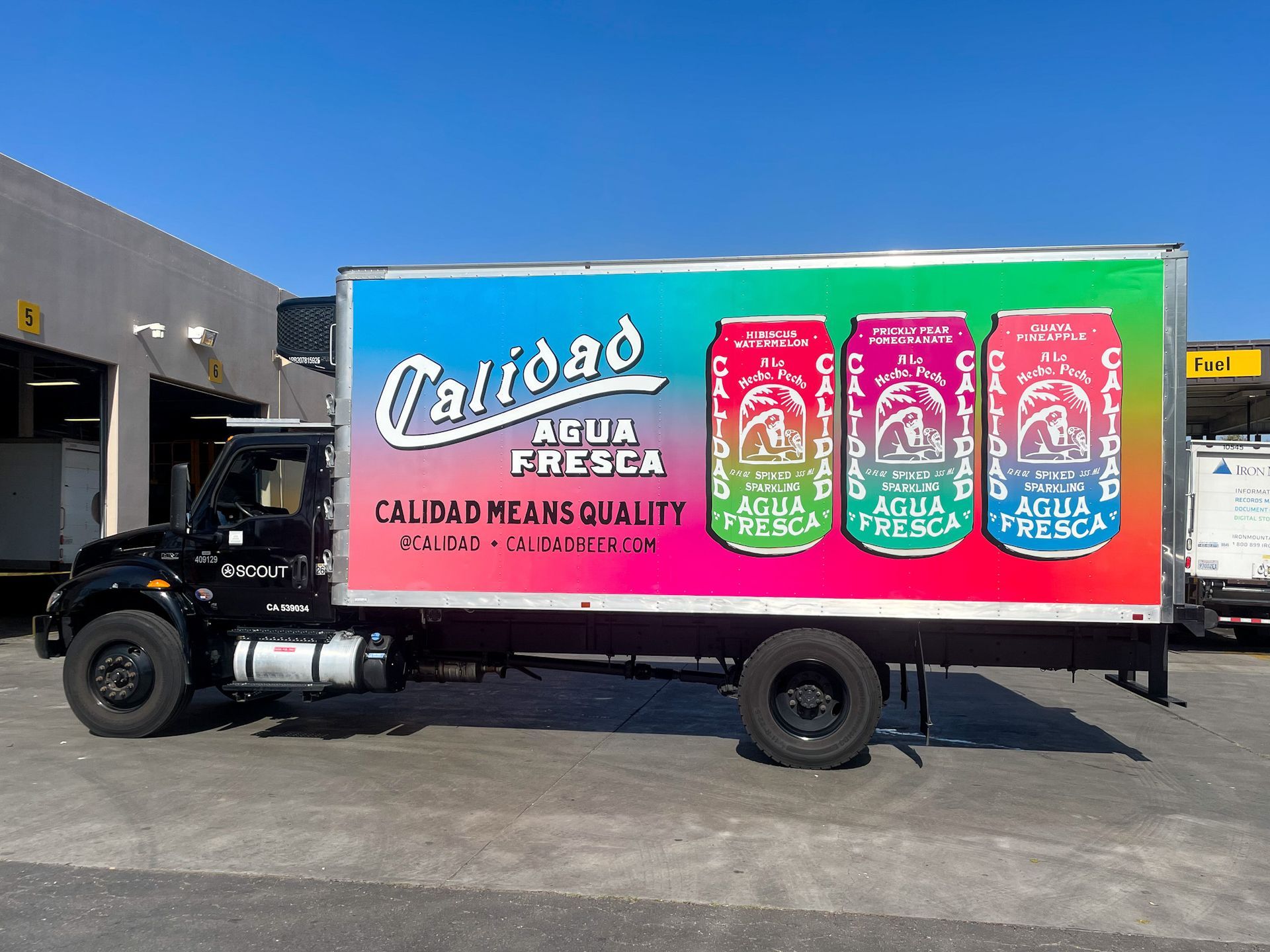
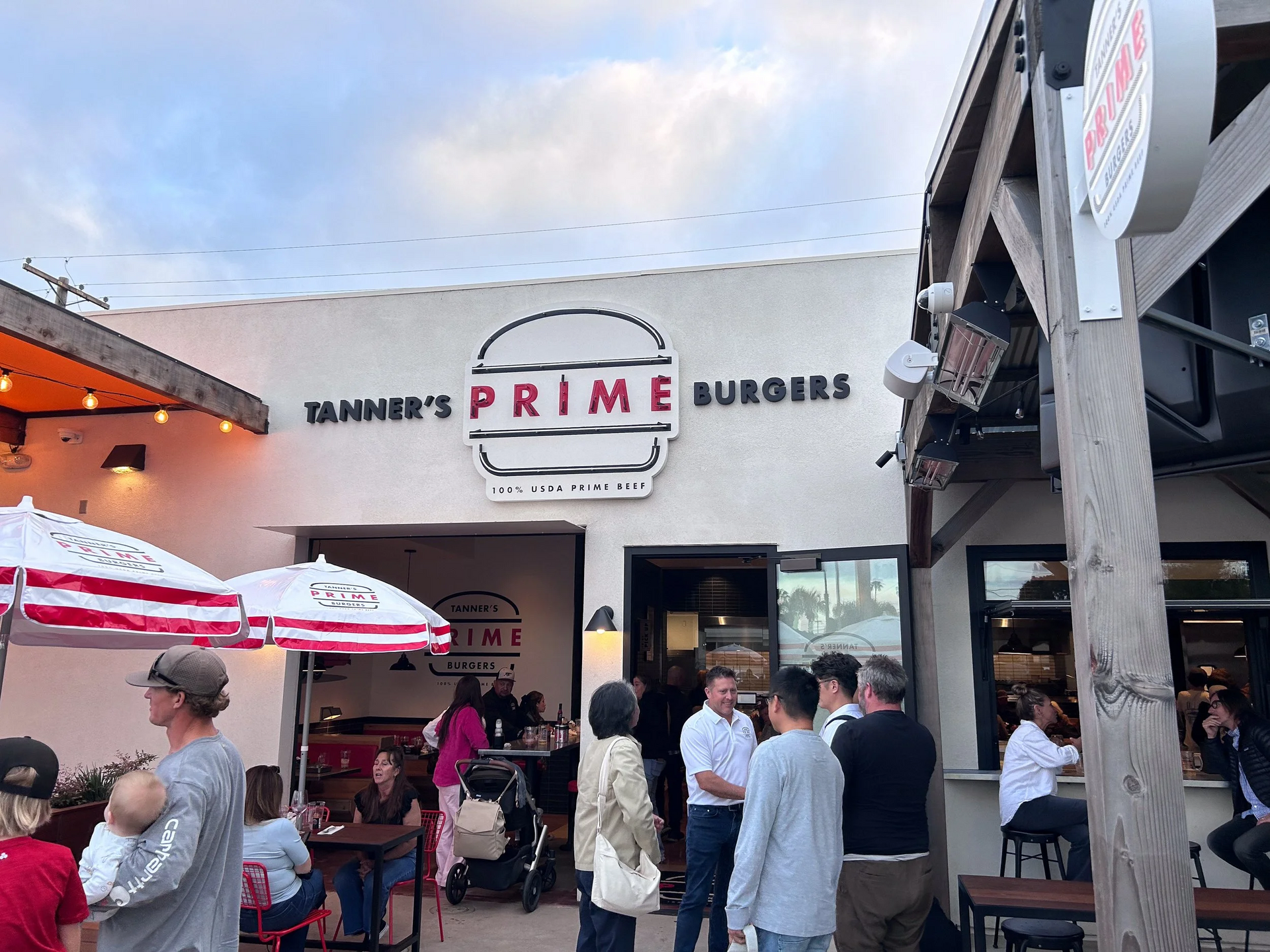
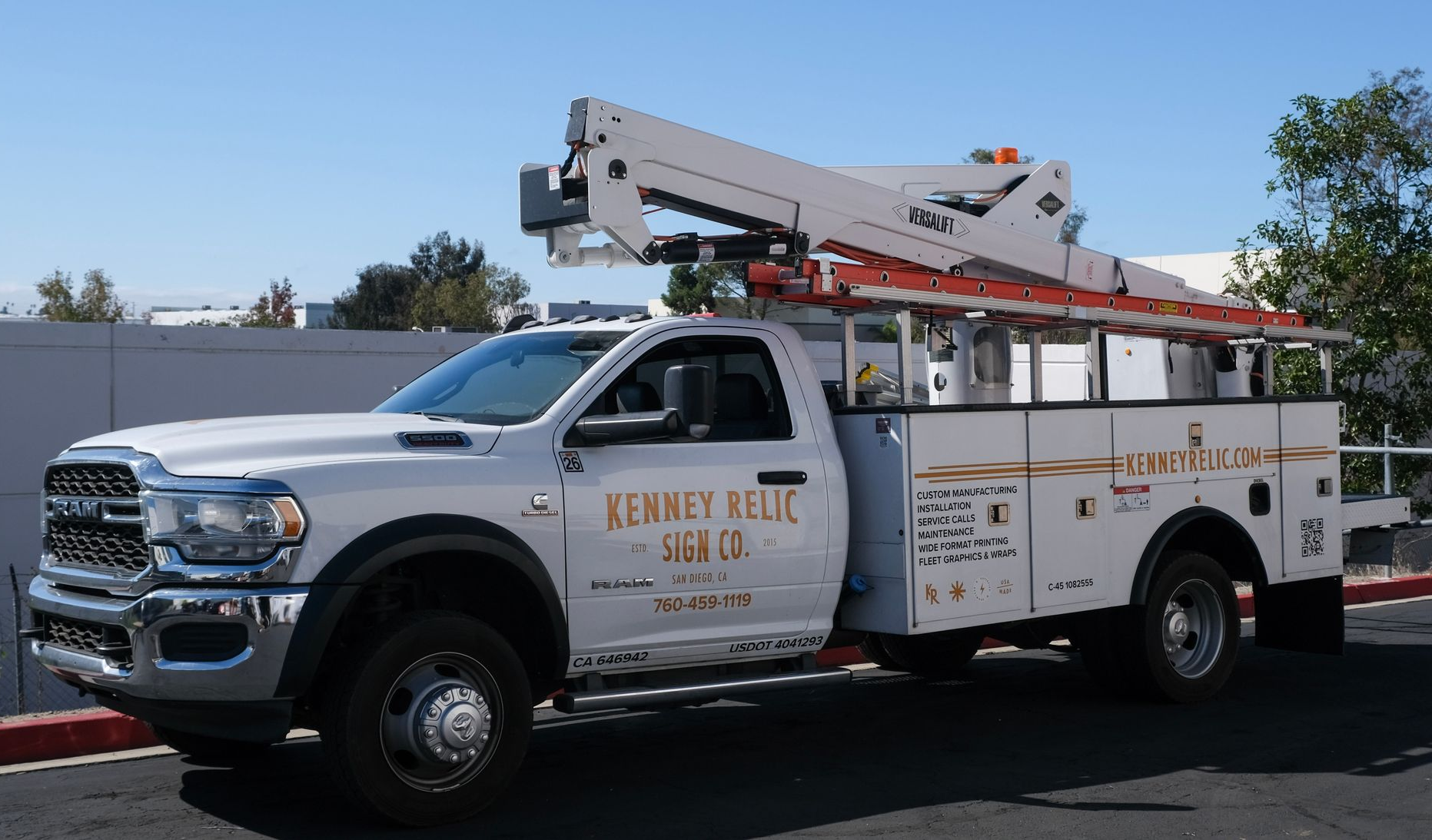
In a crowded marketplace, a business sign isn’t just decoration — it’s often the first point of contact between your brand and potential customers. But not all signs perform equally. Some get noticed immediately, while others fade into the background. The difference?
visibility and psychology. Understanding both can dramatically increase foot traffic and boost your brand’s presence.
Why Visibility Is Critical for Business Signs
Visibility is more than size and placement. A sign must be seen from the right distance, angle, and lighting conditions. High-traffic streets, parking areas, and intersections are prime spots, but your sign must also
stand out visually to capture attention amid other stimuli.
Key visibility factors include:
- Size and Scale: Larger signs catch the eye, but proportion matters — a massive sign on a small storefront can feel awkward.
- Contrast and Color: Colors that contrast with the building or surroundings improve readability. Bright, bold shades often work best for quick glances.
- Lighting: Illuminated or backlit signs extend visibility to evenings and low-light conditions. LEDs are energy-efficient and highly effective.
- Placement and Sightlines: Signs should be visible from the primary approach routes, avoiding obstructions like trees, poles, or neighboring signs.
Tip: Visibility isn’t just about being seen; it’s about being understood in seconds. Passersby should grasp your message instantly.
The Psychology Behind Signs That Drive Action
A great sign does more than announce your business — it taps into human behavior and perception to
prompt action. Understanding psychological triggers can help you design signs that not only get noticed but also influence decisions.
- Simplicity Matters:
Our brains process simple messages faster. A cluttered sign with too much text or complicated graphics can confuse or overwhelm viewers.
- Readable Fonts:
Fonts should be legible from a distance. Sans-serif fonts and bold lettering improve readability for drivers and pedestrians alike.
- Brand Consistency:
Consistent colors, logos, and messaging reinforce brand recognition. Familiarity builds trust, which encourages engagement.
- Call to Action:
Subtle cues, like “Open Now” or “Visit Today,” guide potential customers toward action. Even a well-placed arrow or directional graphic can increase foot traffic.
- Color Psychology:
Colors evoke emotions. For example:
- Red: urgency and attention
- Blue: trust and reliability
- Yellow: optimism and energy
Smart use of color can subtly influence decisions, making your business more inviting.
Combining Visibility and Psychology for Maximum Impact
The most effective signs integrate
both high visibility and psychological principles. Consider a business on a busy street:
- The sign is large, with bold contrast colors and clear lighting.
- The messaging is short and easy to read in a split second.
- The logo and brand colors reinforce recognition.
- A simple call to action encourages immediate engagement.
This combination ensures that the sign captures attention
and nudges potential customers toward your door.
Other Design Factors That Improve Sign Effectiveness
- 3D or Dimensional Letters: Add depth and catch light differently, making signs more noticeable.
- Movement and Animation: Digital signs or subtle LED effects draw eyes naturally.
- Material Quality: High-quality materials convey professionalism and durability.
- Consistency Across Channels: Matching storefront signage with digital branding reinforces recognition and trust.
Local Relevance Matters
For businesses in San Diego, local context matters:
- Coastal sunlight can affect visibility; UV-resistant materials are essential.
- City sign codes regulate size, lighting, and placement — compliance ensures longevity without fines.
- Understanding pedestrian vs. vehicle traffic patterns helps tailor sign placement for maximum exposure.
A sign that’s perfectly designed but poorly placed loses effectiveness quickly. That’s why professional design and installation are crucial.
Professional Sign Installation Makes the Difference
Even the best-designed signs need
expert installation to achieve maximum visibility and impact.
Professionals consider:
- Proper anchoring for safety and durability
- Optimal viewing angles and height
- Lighting calibration for both day and night
- Material selection for weather resistance
Working with a professional sign company ensures that your investment not only looks great but also performs as intended.
Final Thoughts: Signs Are Your Silent Salesperson
A well-crafted sign does more than identify your business — it communicates your brand, captures attention, and drives action. By combining
visibility principles with psychological design elements, you create a sign that truly sells.
At Kenney Relic Sign Co., we specialize in designing, fabricating, and installing custom signage that maximizes both attention and impact. From storefronts to vehicle wraps, our team ensures every sign is built to be seen, understood, and remembered.